
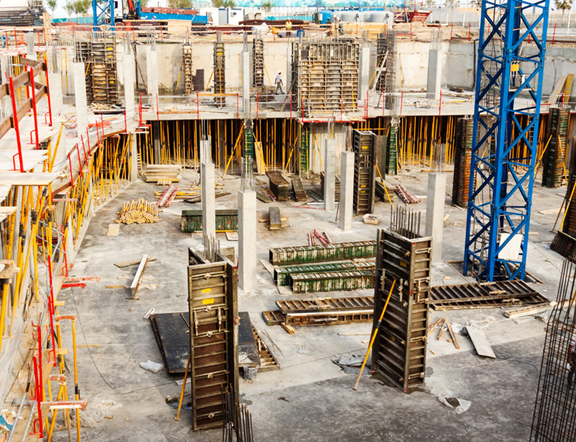
Quality and compliance are critical components of any construction project. They ensure that buildings are safe, durable, and meet regulatory standards. This guide covers the essential steps and best practices for maintaining quality and compliance throughout the construction process.
Key Steps in Quality and Compliance Management
Define Quality Benchmarks: Establish clear benchmarks for material quality and workmanship. These benchmarks should align with industry standards and client expectations.
Conduct Regular Inspections: Perform regular inspections at key milestones to catch issues early and prevent costly rework. Document all inspections and maintain records for transparency and compliance.
Implement Quality Control Measures: Use digital inspection apps and checklists to ensure that quality standards are consistently met. Regularly review and update quality control procedures.
Ensure Regulatory Compliance: Stay up-to-date with building codes and regulations. Conduct phased inspections at critical construction milestones and maintain documentation for all compliance activities.
Train and Educate Staff: Provide regular training for all staff on quality and compliance procedures. Ensure that everyone understands their role in maintaining high standards.
Best Practices for Quality and Compliance
Establish Clear Processes: Develop standardized processes for quality control and compliance. This includes regular inspections, documentation, and reporting.
Leverage Technology: Use integrated digital tools to connect office and field operations. Digital management systems help track inspections, maintain records, and ensure compliance.
Prioritize Safety: Make safety a priority by providing proper training, equipment, and regular inspections. A strong safety culture reduces accidents and ensures compliance with regulations.
Maintain Rigorous Quality Control: Implement proactive quality controls, including regular inspections and digital punch list tracking, to maintain consistent standards and avoid costly rework.
Create Transparency: Use real-time reporting and access to project information to create transparency. This helps build trust with clients and stakeholders.
Build Collaborative Cultures: Foster a collaborative culture where all stakeholders work toward shared goals. Regular communication and teamwork enhance quality and compliance.
Tools and Technologies for Quality and Compliance
Digital Inspection Apps: Tools like SafetyCulture and PlanGrid help conduct inspections and maintain records.
Project Management Software: Platforms such as Asana, Trello, and Microsoft Project help organize tasks, track progress, and facilitate collaboration.
Collaboration Platforms: Slack, Microsoft Teams, and Google Workspace facilitate real-time communication and document sharing.
Quality Control Tools: Digital inspection apps and checklists ensure that quality standards are consistently met.
Conclusion
Ensuring quality and compliance in construction projects is essential for delivering safe, durable, and high-quality buildings. By following these steps and best practices, construction teams can maintain high standards, meet regulatory requirements, and build trust with clients and stakeholders.