
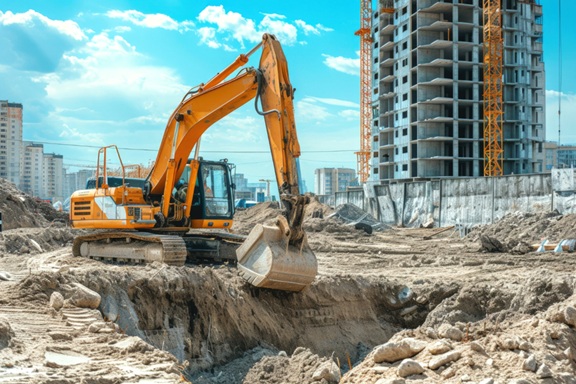
Effective construction site management is the cornerstone of any successful project. It involves overseeing every aspect of the site—from planning and scheduling to resource allocation, safety, and communication. Proper management ensures that projects are completed on time, within budget, and to the highest standards of quality and safety.
Key Responsibilities of Site Management
Planning and Setup: Begin with a detailed site management plan that covers all aspects of the project, including layout, logistics, and safety measures. This plan should outline the placement of materials, equipment, and facilities, as well as traffic flow and access points.
Resource Allocation: Identify the materials, tools, and labor needed at each stage of construction. Efficiently manage procurement and schedule deliveries to prevent delays.
Safety Management: Prioritize safety by providing proper training and equipment for all workers. Conduct regular inspections and risk assessments to minimize accidents and ensure compliance with regulations.
Quality Control: Implement proactive quality controls, including regular inspections and digital punch list tracking, to maintain consistent standards and avoid costly rework.
Communication: Establish clear communication channels among contractors, workers, and suppliers. Regular meetings and updates help ensure that everyone stays aligned with project goals.
Best Practices for Construction Site Management
Create a Clear Plan: Start with a detailed site management plan that covers all project aspects. This will help keep everyone organized and focused.
Hire Experienced Professionals: Choose skilled and experienced contractors and managers to handle the complexities of construction sites. Their expertise ensures smooth execution and adherence to plans.
Monitor Progress: Regularly check on the progress of the work to ensure it aligns with your timeline and budget. Early detection of issues allows for timely adjustments.
Prioritize Safety: Make safety a top priority by providing proper training, equipment, and regular inspections. A strong safety culture reduces accidents and delays.
Be Flexible: Construction projects often encounter unexpected challenges. Being adaptable and willing to adjust plans helps navigate these issues smoothly.
Communicate Regularly: Keep communication open among all parties involved in the project. Regular meetings and updates help address any issues quickly.
Keep Detailed Records: Maintain records of all activities on-site, including communications and any changes made to plans. This documentation is useful for future reference and compliance.
Tools and Technologies for Site Management
Project Management Software: Tools like Asana, Trello, and Microsoft Project help organize tasks, track progress, and facilitate collaboration.
Scheduling Software: Platforms such as Primavera P6 and Microsoft Project enable detailed scheduling and resource allocation.
Collaboration Platforms: Slack, Microsoft Teams, and Google Workspace facilitate real-time communication and document sharing.
Quality Control Tools: Digital inspection apps and checklists ensure that quality standards are consistently met.
Conclusion
Effective construction site management is essential for delivering high-quality projects on time and within budget. By following these strategies and best practices, construction teams can ensure smooth operations, enhance safety, and foster a culture of continuous improvement.