
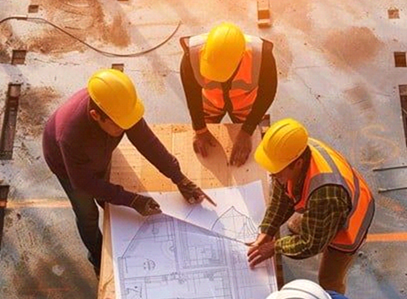
Construction planning is the foundation of any successful building project. From residential homes to large-scale commercial developments, effective planning ensures that projects are completed on time, within budget, and to the highest standards of quality and safety. This guide will walk you through the essential steps, best practices, and tools needed to streamline construction planning and maximize efficiency on any site.
Why Construction Planning Matters
Construction planning is not just about drawing up blueprints and scheduling tasks. It’s about creating a roadmap that guides every aspect of the project—from initial concept to final handover. Proper planning helps prevent costly delays, reduces risks, and ensures that resources are used efficiently. Without a solid plan, even the most skilled teams can face setbacks, budget overruns, and safety issues.
Key Steps in Construction Planning
- Define Project Scope and Objectives
- Begin by clearly outlining the project’s goals, deliverables, and constraints. This includes:
- Identifying the type of structure (residential, commercial, industrial)
- Setting a realistic timeline and budget
- Determining the required resources (labor, materials, equipment)
- Understanding regulatory requirements and permits
- Develop a Detailed Project Schedule
A well-structured schedule is crucial for keeping the project on track. Break down the project into phases (design, procurement, construction, inspection, handover) and assign specific tasks and deadlines to each phase. Use scheduling software to visualize timelines and monitor progress.
- Allocate Resources Wisely
- Efficient resource allocation ensures that the right people and materials are available when needed. This includes:
- Hiring skilled labor and subcontractors
- Procuring materials in advance to avoid delays
- Maintaining equipment and tools for optimal performance
- Implement Quality Control Measures
Quality control is essential for delivering a safe and durable structure. Establish clear benchmarks for material quality and workmanship, and conduct regular inspections at key milestones. Document all quality checks and maintain records for transparency and compliance.
- Foster Effective Communication
Clear communication is the backbone of successful construction planning. Hold regular meetings with all stakeholders, use collaboration platforms to share updates, and encourage open dialogue among team members. This helps prevent misunderstandings and keeps everyone aligned with project goals.
- Plan for Contingencies
No matter how well you plan, unexpected challenges can arise. Build buffer time into your schedule to account for weather delays, supply chain issues, or other unforeseen events. Having a contingency plan in place ensures that the project can continue smoothly even when setbacks occur.
Best Practices for Construction Planning
Involve Stakeholders Early: Engage clients, contractors, and subcontractors in the planning process to ensure everyone’s needs and expectations are met.
Use Technology: Leverage project management software, scheduling tools, and collaboration platforms to streamline planning and communication.
Monitor Progress Regularly: Track progress against the project schedule and make adjustments as needed to stay on track.
Prioritize Safety: Integrate safety protocols into every phase of planning to protect workers and prevent accidents.
Document Everything: Keep detailed records of all plans, schedules, inspections, and communications for transparency and accountability.
Tools and Technologies for Construction Planning
Project Management Software: Tools like Asana, Trello, and Microsoft Project help organize tasks, track progress, and facilitate collaboration.
Scheduling Software: Platforms such as Primavera P6 and Microsoft Project enable detailed scheduling and resource allocation.
Collaboration Platforms: Slack, Microsoft Teams, and Google Workspace facilitate real-time communication and document sharing.
Quality Control Tools: Digital inspection apps and checklists ensure that quality standards are consistently met.
Conclusion
Construction planning is a complex but essential process that sets the stage for project success. By following these steps and best practices, construction teams can deliver high-quality projects on time and within budget. Effective planning not only enhances efficiency but also fosters a culture of safety, collaboration, and continuous improvement.